



The Global Platform For Theranostics

Clinical Trials Facts & Fears
Facts, not fears
Most cancer patients hold at least one of these beliefs about clinical trials. Look closely and nearly every one turns out to be a myth.
“I might get a fake drug instead of real treatment.”
The fact: Placebo-only arms are rare in cancer trials. When a placebo is used, it is given alongside standard treatment, not instead of it.
“I don’t want to be a guinea pig.”
The fact: An independent ethics board reviews every protocol before it opens, and safety is monitored for as long as the trial runs.
“My insurance won’t cover an experimental treatment.”
The fact: Routine trial costs are typically covered by the study itself.
“I’d have to leave my own doctor.”
The fact: You do not have to leave the physician you already trust, and you can withdraw at any point.
Fewer than 5 in every 100 cancer patients ever enroll in a trial — yet most say yes once one is offered to them.
Read the facts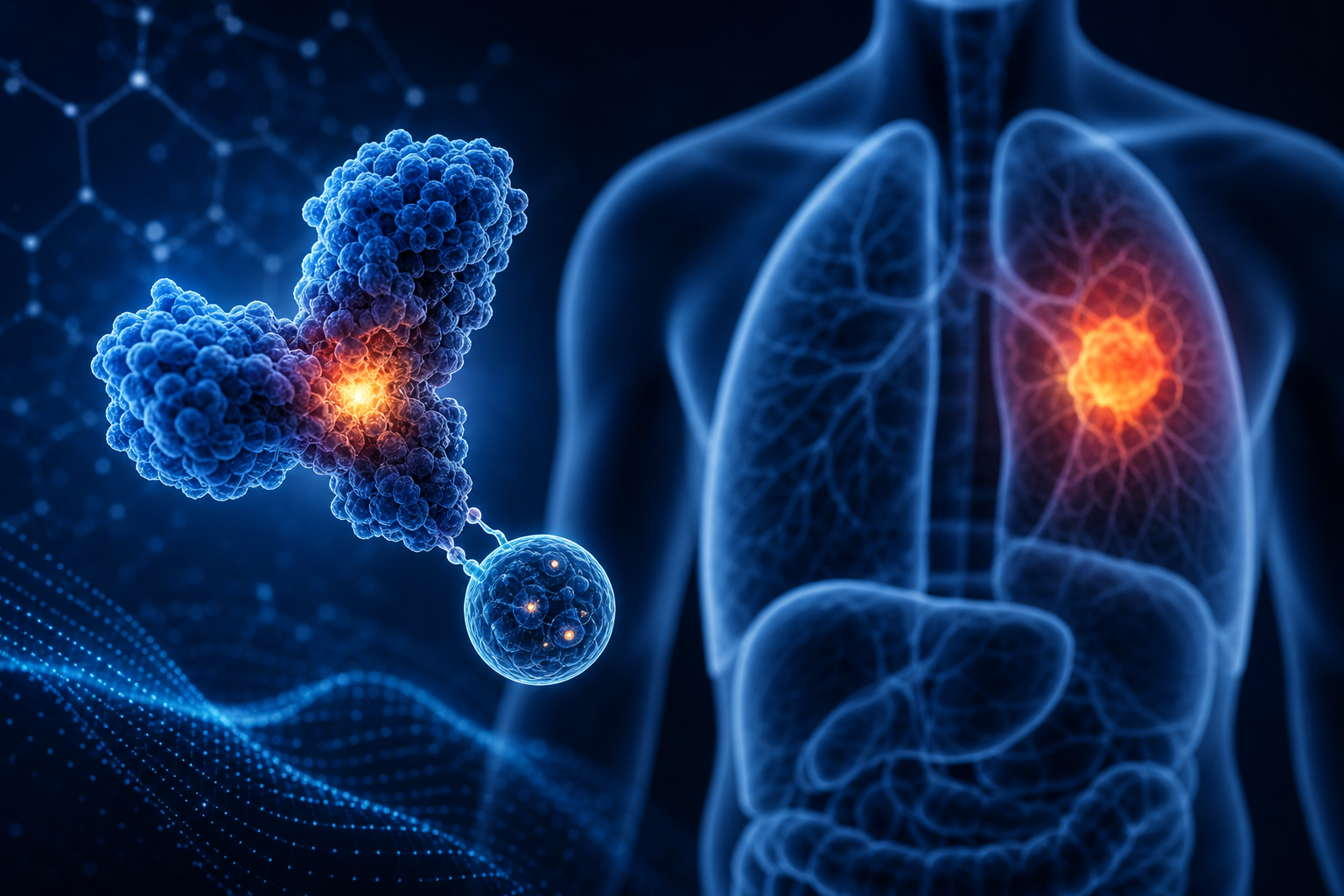
Featured guide
Basics of Theranostics
A targeting molecule locks onto a marker on the surface of cancer cells. Paired with an imaging isotope it shows where the disease is on a scan; paired with a therapeutic isotope, that same molecule carries the radiation to it.
- What theranostics means
- A matched pair: see it, then treat it
- What theranostics treats now
- How theranostics are administered
Basics of Radiation
Radiation, in context
Dose figures on a consent form mean little without a reference point. This guide sets them beside the radiation you already live with, so the numbers become something you can weigh.
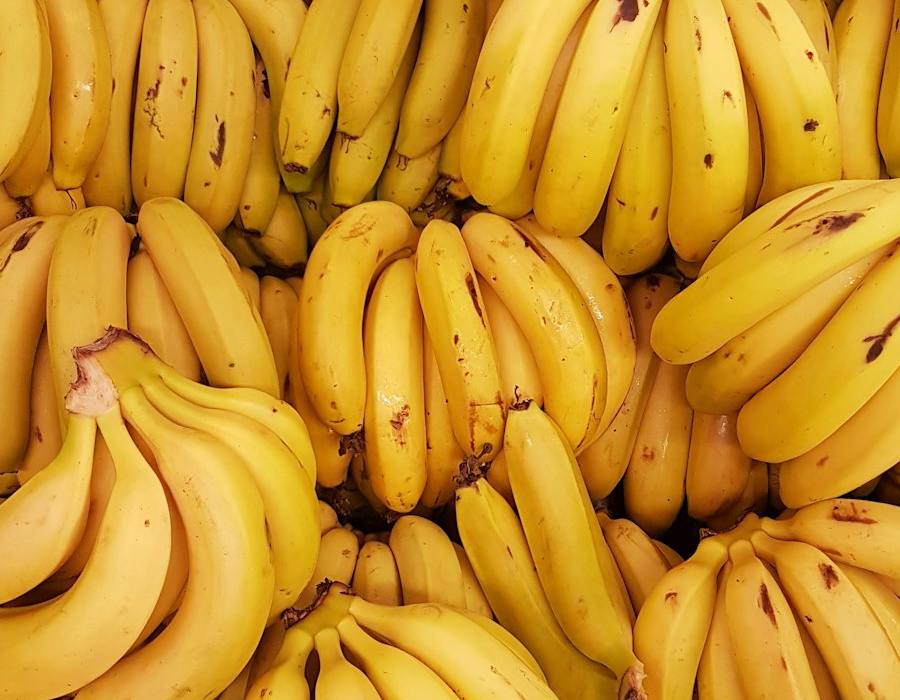
One banana ≈ 0.1 microsieverts.
Bananas carry a trace of natural radioactive potassium, which makes them a handy unit for putting other doses into everyday terms.
Banana Radiation Equivalency Scale
Examples of radiation dose (measured in bananas)
- 100,000,000 Bananas Fatal dose, death within 2 weeks 10,000,000 µSv
- 10,000,000 Bananas Temporary radiation sickness, not fatal 1,000,000 µSv
- 1,000,000 Bananas Dose increased risk of death from cancer 100,000 µSv
- 240,000 Bananas Smoking a pack of cigarettes daily for 1 year 24,000 µSv
- 100,000 Bananas CT scan 10,000 µSv
- 4,000 Bananas Mammogram 400 µSv
- 800 Bananas Transatlantic flight 80 µSv
- 700 Bananas Living in concrete / brick house (1 year) 70 µSv
- 100 Bananas One day on Earth 10 µSv
- 2.5 Bananas Airport security 0.25 µSv
Sieverts (Sv) is an international measure of radiation exposure.
Parts of a Theranostic Drug
The building blocks of a theranostic
Every theranostic drug is built from the same five parts, each with one job to do.
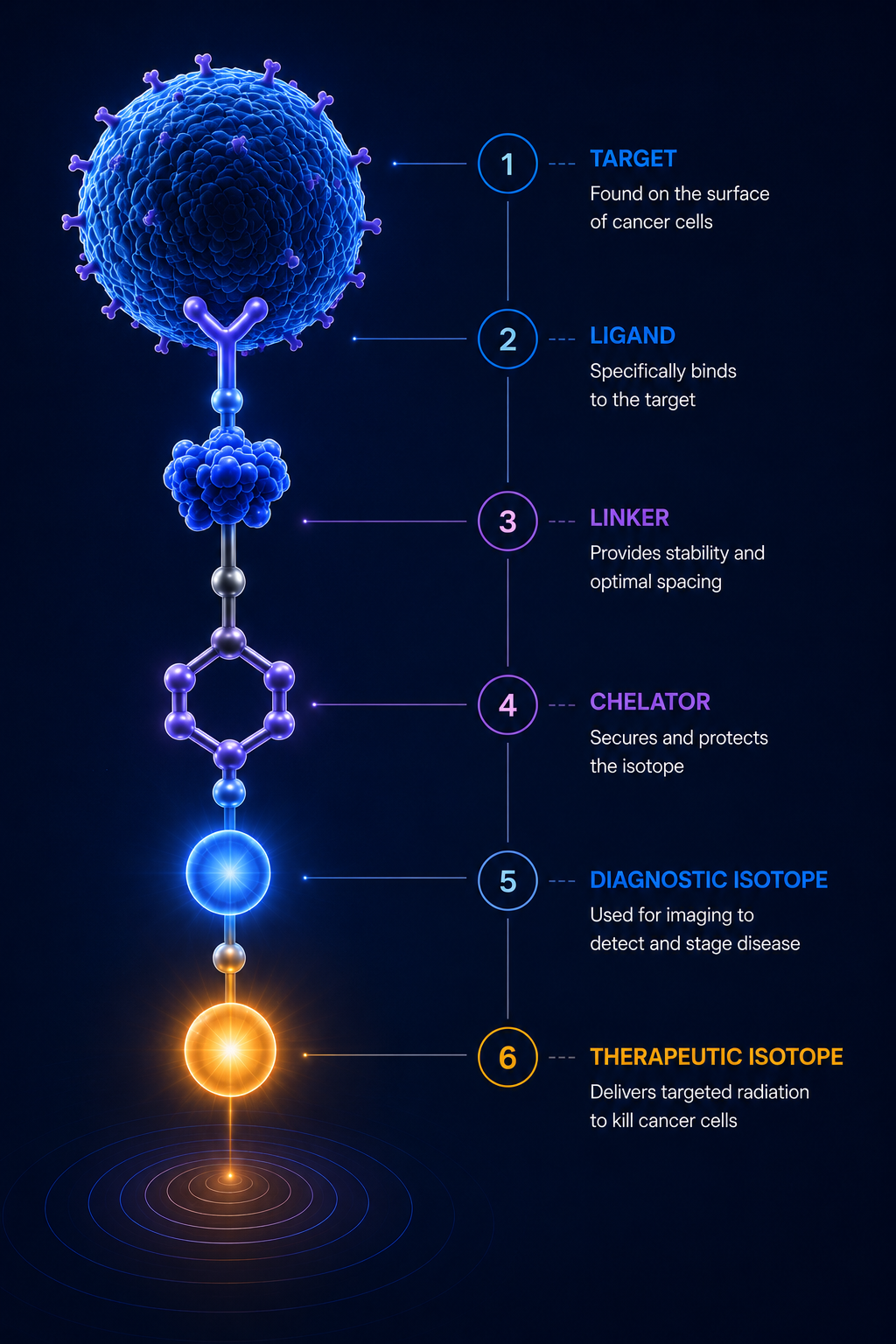
One molecule, two jobs: swap the isotope and the same drug that finds the disease on a scan carries the radiation that treats it.
Interpreting Your Scans
What your scans can tell you
CT and MRI measure how big something is. PET shows whether it carries the target.
The tape measure
Fast X-ray slices that show where something is and how big it is. The workhorse for the chest, abdomen and pelvis.
The tape measure
Magnets and radio waves, with no radiation. Outstanding detail in soft tissues like the brain and prostate.
The light bulb
A tracer travels to a specific target and lights up wherever it finds it — showing whether a spot carries the target.

Theranostic Dictionary
Every term, in plain language
Ligand, isotope, half-life, PSMA. A reference for the vocabulary on your paperwork and in your consultations — keep it open in a tab during your next appointment.
Ligand
A molecule that seeks out and binds to a specific target on cancer cells.
Half-life
The time it takes for half of a radioactive isotope to decay.
PSMA
Prostate-specific membrane antigen, a protein found on the surface of most prostate cancer cells.
Dosimetry
Measuring the radiation dose delivered to the body’s tissues.
Our Industry Partners